
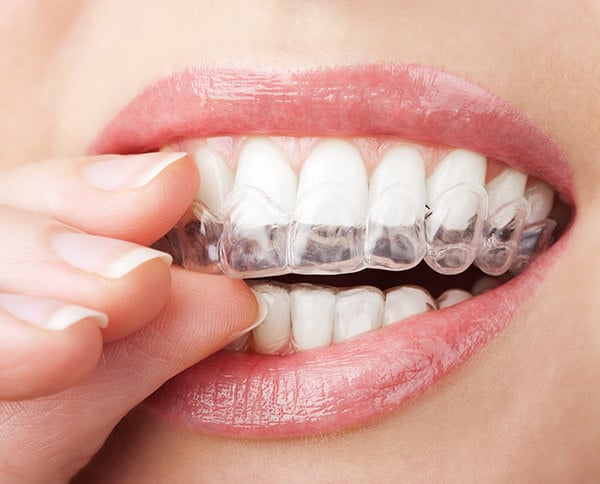
If your teen wants a straighter smile but dreads the idea of metal braces, you’re hearing what we hear from Lake Mary families every week. More parents and teens are discovering why clear aligners fit so well into busy teenage lives, and the reasons go beyond just appearance. From school photos to weekend plans, Invisalign works around your teen’s world instead of interrupting it.
What Is Invisalign for Teens?
Invisalign Teen is a clear aligner system built specifically for adolescent patients. It uses custom-made, removable plastic trays to gradually shift teeth into alignment without metal brackets or wires. The system includes compliance indicators and eruption tabs that make it uniquely suited for younger patients. At Rawle Orthodontics in Lake Mary, Dr. Christopher Rawle, a board-certified orthodontist, recommends Invisalign Teen for many of the teens he treats.
These aligners are made from smooth, nearly invisible plastic, so most people won’t notice your teen is in treatment. That near-invisibility is one of the biggest reasons families ask about clear aligners in the first place.
What sets Invisalign Teen apart from the adult version? Each aligner includes small blue compliance indicators that fade with wear, giving parents an easy way to confirm their teen is wearing the aligners as directed. No more guessing.
Special eruption tabs also hold space for second molars and other late-arriving teeth, so treatment can start before every permanent tooth has come in.
How Invisalign Works for Teens: The Treatment Process
Getting started with Invisalign is simpler than most families expect. At Rawle Orthodontics, here’s what the process looks like from first visit to final reveal:
- Initial free consult with digital scanning. At your teen’s first visit, we use an iTero scanner to create a detailed 3D image of their teeth. No goopy impressions, no gagging. Just a quick, comfortable scan that takes a few minutes. The digital model gives Dr. Rawle a precise starting point for planning treatment.
- Custom 3D treatment plan. Using that scan, Dr. Rawle maps out exactly how your teen’s teeth will move over time. You’ll actually see a digital preview of the projected results before treatment even begins. This preview helps families feel confident about what’s ahead.
- Series of aligner trays. Your teen receives a set of custom aligners, each one slightly different from the last. Every one to two weeks, they switch to a new tray. Gradual shifts add up. Each new tray builds on the progress of the one before it.
- Regular progress check-ins. About every six to eight weeks, your teen comes in for a quick check-in. These visits are typically shorter than traditional braces adjustments, often just 15 to 20 minutes. Dr. Rawle monitors progress and makes any needed adjustments to the plan.
- Treatment completion and retainers. Most teens finish treatment in 12 to 18 months, depending on their specific needs. After that, retainers keep everything in place so the results last.
The entire process works around your teen’s schedule, not the other way around. Fewer visits mean less time away from school, sports practice, and everything else that fills their calendar.
Why Teens and Parents Are Choosing Invisalign
Ask any teen what matters most about their orthodontic treatment, and “how it looks” usually tops the list. Here’s why clear aligners have become so popular with both teens and their parents.
Why Does Appearance Matter So Much for Teens?
Confidence during the high school years. Clear aligners are nearly invisible. Your teen can smile in photos, give class presentations, and go to prom without feeling self-conscious about metal brackets. For many teens, this alone makes Invisalign worth considering.
The teenage years are already full of social pressure. Wearing something nearly undetectable on their teeth removes one more thing to worry about, and that matters more than most adults realize.
How Does Invisalign Simplify Daily Life?
No food restrictions. With traditional braces, the “no” list is long: no popcorn, no caramel, no corn on the cob. With Invisalign, your teen simply removes the aligners before eating. They can still enjoy pizza night and birthday cake without worrying about broken brackets or bent wires.
Keeping teeth clean is easier too. Braces require special tools and extra time for brushing and flossing. With removable aligners, your teen brushes and flosses normally. This often means healthier gums and fewer cavities during treatment.
Fewer surprise visits to the orthodontist also make a real difference. Broken brackets and poking wires are common with traditional braces. Invisalign eliminates those emergency calls because there’s nothing to break or come loose.
Whether your teen plays soccer, performs in the school band, or acts in theater productions, clear aligners adapt. Remove them for the big game, pop them back in afterward. Families at Rawle Orthodontics regularly tell us these benefits made the decision easy.
Invisalign vs. Traditional Braces for Teens
Both options deliver great results for your teen’s smile, but they work differently in daily life. Here’s how they compare:
| Factor | Invisalign Teen | Traditional Braces |
|---|---|---|
| Appearance | Nearly invisible clear plastic | Visible metal or ceramic brackets |
| Comfort | Smooth plastic with no sharp edges | Wires and brackets may irritate cheeks and lips |
| Food restrictions | None, remove aligners to eat | Avoid hard, sticky, and crunchy foods |
| Oral hygiene | Remove aligners; brush and floss normally | Requires special flossing tools and extra time |
| Adjustments | Switch trays at home every 1-2 weeks | In-office adjustments every 4-6 weeks |
| Treatment visibility | Discreet throughout treatment | Noticeable throughout treatment |
| Emergency visits | Rare, no brackets to break | More common due to broken brackets or wires |
When braces might still be the better choice
Some complex orthodontic cases, like severe bite issues or significant tooth rotation, may respond better to traditional braces. Dr. Rawle at Rawle Orthodontics will recommend the best option based on your teen’s specific needs. Orthodontic research supports that both treatments achieve excellent results when properly matched to the case.
What Affects the Cost of Invisalign for Teens?
At Rawle Orthodontics, the cost of Invisalign for teens typically depends on treatment complexity, duration, insurance coverage, and payment plan options. Many dental insurance plans cover Invisalign the same way they cover traditional braces, which often surprises families in a good way.
Treatment complexity and duration
Treatment complexity and duration play the biggest role. A teen with mild spacing issues will typically have a shorter, less expensive treatment than one with moderate crowding and bite correction needs. Every case is different.
Insurance coverage
Insurance coverage often helps more than Lake Mary families expect. It’s worth checking your benefits before assuming aligners cost more out of pocket. Many plans include orthodontic coverage that applies equally to clear aligners and traditional braces.
Most families find a low monthly payment option that works for their budget. Interest-free financing spreads the cost over time, and a payment calculator can help you estimate costs before your first visit so there are no financial surprises.
Replacement aligners
Replacement aligners can add to the total if trays are lost frequently. Teens who keep track of their aligners (a case helps!) avoid these extra charges. The compliance indicators also encourage consistent wear, which keeps treatment on schedule.
The best way to understand the true cost? Schedule a free consult so Dr. Rawle can evaluate your teen’s specific situation and provide a treatment plan with clear pricing tailored to their needs.
Is Your Teen a Good Candidate for Invisalign?
Invisalign works well for many teens, but it’s not the right fit for everyone. Here’s what makes a teen a strong candidate:
- Mild to moderate orthodontic issues. Crowding, spacing, overbites, underbites, and crossbites often respond well to clear aligners. Many cases that seem complex at first glance actually do great with Invisalign.
- Responsibility and commitment. Aligners must be worn 20 to 22 hours per day for treatment to work. Teens who can stick to this schedule see the best results, and the compliance indicators help keep them accountable.
- Most permanent teeth have erupted. Ideally, second molars are in or close to coming in. Eruption tabs handle late-arriving teeth, so treatment doesn’t always need to wait.
- Willingness to care for aligners daily. That means rinsing trays, keeping them in a case when not in use, and resisting the urge to leave them wrapped in a napkin at lunch (it happens more often than you’d think).
Not sure if your teen qualifies? That’s exactly what a free consult is for. At Rawle Orthodontics in Lake Mary, Dr. Rawle, a board-certified orthodontist, evaluates each teen individually, looking at tooth position, bite alignment, and overall oral development. Some cases that seem complex actually respond well to Invisalign, while others benefit from a different approach. The key is getting a professional assessment rather than guessing.
Frequently Asked Questions About Invisalign for Teens
How long does Invisalign treatment take for teens?
Most teens complete treatment in 12 to 18 months. The exact timeline depends on how much tooth movement is needed and how consistently your teen wears their aligners. Dr. Rawle provides a projected timeline during the initial free consult.
Can my teen play sports with Invisalign?
Yes! For contact sports, your teen should remove the aligners and wear a protective mouthguard. For non-contact activities like swimming, running, or dance, they can usually keep aligners in. This flexibility is one of the top reasons active teens prefer clear aligners over brackets and wires.
What happens if my teen loses an aligner?
Replacement trays are available. If a tray goes missing, contact Rawle Orthodontics right away. Depending on where your teen is in treatment, they may move to the next tray early or wear the previous one while a replacement is made. A dedicated case and a consistent storage routine help prevent lost trays.
Does Invisalign cause discomfort?
Your teen may feel mild pressure or tightness for the first day or two after switching to a new aligner. This is completely normal, and it means the teeth are moving. The sensation is usually less intense than what patients feel after traditional braces adjustments, and it typically fades quickly. Most teens say they barely notice it after the first couple of tray changes.
How do the compliance indicators work?
Each Invisalign Teen aligner has a small blue dot. When worn properly (20 to 22 hours daily), the dot gradually fades from blue to clear over about two weeks. If the dot stays blue, it signals the aligners aren’t being worn enough. It’s a helpful visual cue for both teens and parents, and it takes the daily “are you wearing them?” conversation off the table.
Is Invisalign Teen available in Lake Mary?
Absolutely. Rawle Orthodontics serves families throughout the Lake Mary area, and Dr. Rawle has extensive experience treating teens with clear aligners. During your teen’s free consult, he’ll walk you through whether Invisalign is the right fit and what the full treatment plan looks like. Because orthodontics is for everyone, our team works with each family to find an approach that matches your teen’s needs and your budget. Reach out to sit back, relax & get started on the road to a simply radiant smile.