
Understanding the Different Types of Braces
Braces come in various types, each designed to address specific orthodontic needs. Traditional metal braces are the most common and effective for complex cases, while ceramic braces offer a more discreet option. Lingual braces, placed on the back of the teeth, provide an invisible treatment alternative, making them ideal for adults seeking aesthetics without compromising effectiveness.
Each type of brace has its own advantages and considerations. For instance, metal braces are generally more durable and effective for severe misalignments, while ceramic braces can blend with the natural tooth color, making them less noticeable. Understanding these differences can help patients choose the best option for their lifestyle and treatment goals.
The Importance of Retainers After Orthodontic Treatment
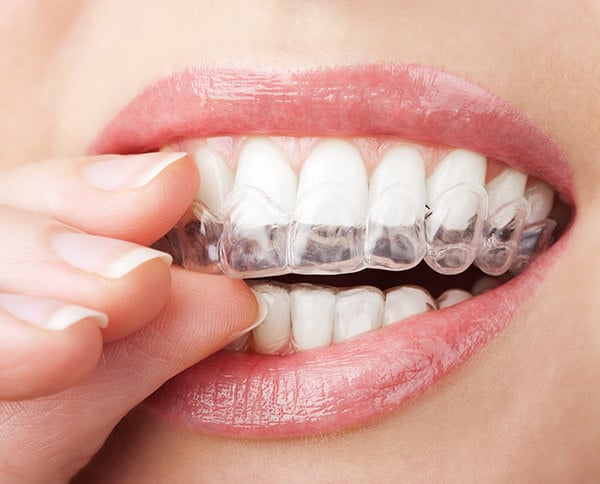
After completing orthodontic treatment, wearing a retainer is crucial to maintaining the new position of your teeth. Retainers help to stabilize the teeth and jaw, preventing them from shifting back to their original alignment. This step is essential for ensuring the long-term success of the orthodontic treatment you have undergone.
There are various types of retainers, including fixed and removable options. Fixed retainers are bonded to the back of the teeth, providing continuous support, while removable retainers offer flexibility. Your orthodontist will recommend the best type for you based on your specific treatment and lifestyle needs.
Common Myths About Orthodontic Treatment
Many people hold misconceptions about orthodontic treatment that can deter them from seeking necessary care. One common myth is that orthodontic treatment is only for children and teenagers. In reality, adults can benefit significantly from orthodontic care, and many practices, including Rawle Orthodontics, cater specifically to adult patients.
Another myth is that braces are only for cosmetic purposes. While a straighter smile is a significant benefit, braces also improve oral health by correcting bite issues and making oral hygiene easier. Understanding the facts about orthodontics can empower individuals to make informed decisions about their dental health.
Tips for Maintaining Oral Hygiene with Braces
Maintaining oral hygiene is crucial for patients with braces to prevent plaque buildup and cavities. Brushing after every meal and using a soft-bristled toothbrush can help keep teeth and braces clean. Additionally, incorporating interdental brushes and floss threaders can aid in cleaning hard-to-reach areas around brackets and wires.
Regular dental check-ups are also essential during orthodontic treatment. Your orthodontist can provide professional cleanings and monitor your progress, ensuring that your oral hygiene practices are effective. Following these tips can help ensure a healthy mouth and a successful orthodontic journey.