Understanding the Importance of Orthodontic Care
Orthodontic care goes beyond just aesthetic improvements. Straightening teeth through treatments like Invisalign not only enhances one's appearance but also plays a critical role in overall oral health. Proper alignment of teeth can lead to better chewing, reduced risk of cavities, and alleviation of jaw pain.
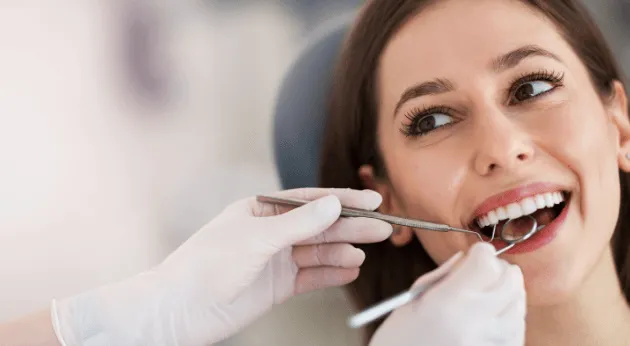
In addition, seeking orthodontic treatment at an early age can yield significant benefits. Early intervention can help guide the growth of the jaw and incoming teeth, potentially making future treatments easier and more effective. Regular check-ups with an orthodontist can help identify issues before they develop into more serious problems.
The Cost of Invisalign Treatment
The financial aspect of Invisalign treatment is a common concern for many potential patients. The cost can vary depending on factors such as the complexity of the case, the duration of treatment, and the geographical location of the provider. Most orthodontic offices offer flexible payment plans and financing options to help patients manage their treatment costs effectively.
It is also essential to check if dental insurance provides coverage for orthodontic treatments like Invisalign. Understanding potential co-payments and deductibles can provide a clearer picture of the out-of-pocket expenses involved. Consulting with the orthodontic office can lead to a better understanding of all financial aspects before beginning treatment.
Maintaining Oral Hygiene with Invisalign
Maintaining proper oral hygiene while using Invisalign is crucial for achieving optimal results. Unlike traditional braces, Invisalign aligners can be removed, allowing for easier brushing and flossing. However, it's important to clean the aligners daily to prevent buildup of bacteria and avoid unpleasant odors.
Patients should also be conscious of what they consume while wearing Invisalign. While the aligners are removable, it's vital to brush your teeth before putting the aligners back in after meals. This practice helps maintain oral health and ensures that the teeth remain clean throughout the treatment process.
Common Misconceptions About Invisalign
Many people have misconceptions about Invisalign that can affect their decision-making. One common myth is that Invisalign is only suitable for adults; however, this treatment is also highly effective for teens, thanks to the flexible aligner options available. Understanding the truth behind these misconceptions can facilitate informed decisions about orthodontic care.
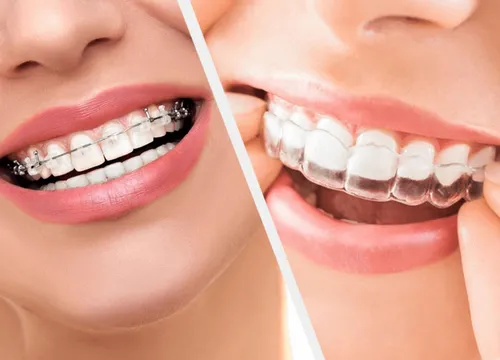
Another misconception is that Invisalign is as effective as traditional braces for every case. While Invisalign can address a wide variety of orthodontic issues, there are specific cases where traditional metal braces may be more effective. Consulting with an orthodontist will provide clarity on the most appropriate treatment options for each individual case.
What's the Next Step After Invisalign?
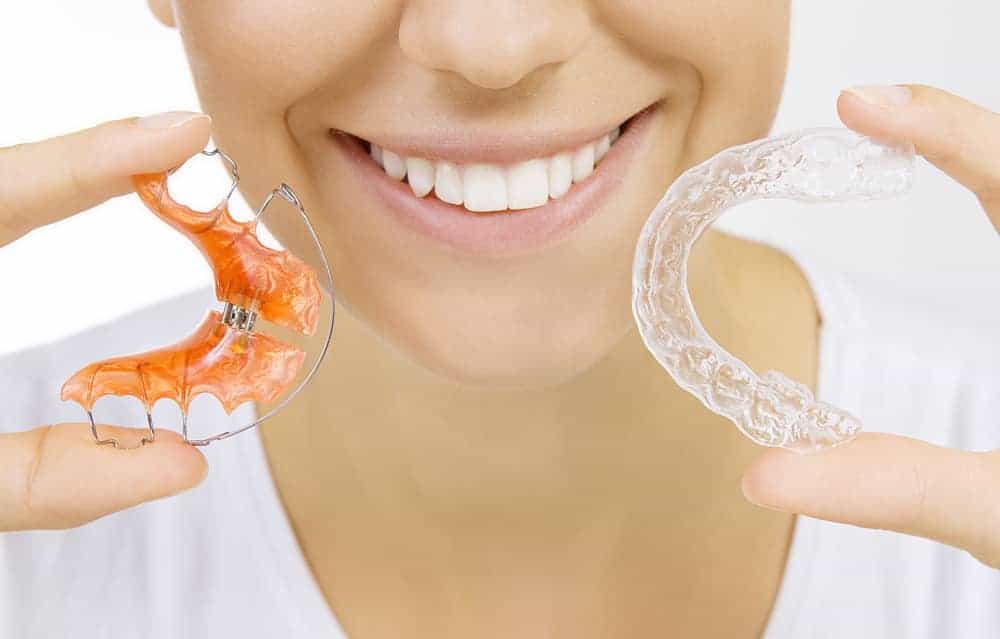
Once you complete your Invisalign treatment, the next step involves wearing a retainer to maintain your new smile. Retainers are crucial because they help ensure that your teeth do not shift back to their original positions. It is important to follow your orthodontist's recommendations regarding how long to wear the retainer each day.
In addition to wearing a retainer, regular visits to your orthodontist are recommended even after the treatment is complete. These check-ups will ensure that your teeth remain in their desired positions and help address any concerns that may arise. Maintaining ongoing care is essential for lasting results and overall dental health.
Understanding the Importance of Orthodontic Care
Orthodontic care goes beyond just aesthetic improvements. Straightening teeth through treatments like Invisalign not only enhances one's appearance but also plays a critical role in overall oral health. Proper alignment of teeth can lead to better chewing, reduced risk of cavities, and alleviation of jaw pain.
In addition, seeking orthodontic treatment at an early age can yield significant benefits. Early intervention can help guide the growth of the jaw and incoming teeth, potentially making future treatments easier and more effective. Regular check-ups with an orthodontist can help identify issues before they develop into more serious problems.
The Cost of Invisalign Treatment
The financial aspect of Invisalign treatment is a common concern for many potential patients. The cost can vary depending on factors such as the complexity of the case, the duration of treatment, and the geographical location of the provider. Most orthodontic offices offer flexible payment plans and financing options to help patients manage their treatment costs effectively.
It is also essential to check if dental insurance provides coverage for orthodontic treatments like Invisalign. Understanding potential co-payments and deductibles can provide a clearer picture of the out-of-pocket expenses involved. Consulting with the orthodontic office can lead to a better understanding of all financial aspects before beginning treatment.
Maintaining Oral Hygiene with Invisalign
Maintaining proper oral hygiene while using Invisalign is crucial for achieving optimal results. Unlike traditional braces, Invisalign aligners can be removed, allowing for easier brushing and flossing. However, it's important to clean the aligners daily to prevent buildup of bacteria and avoid unpleasant odors.
Patients should also be conscious of what they consume while wearing Invisalign. While the aligners are removable, it's vital to brush your teeth before putting the aligners back in after meals. This practice helps maintain oral health and ensures that the teeth remain clean throughout the treatment process.
Common Misconceptions About Invisalign
Many people have misconceptions about Invisalign that can affect their decision-making. One common myth is that Invisalign is only suitable for adults; however, this treatment is also highly effective for teens, thanks to the flexible aligner options available. Understanding the truth behind these misconceptions can facilitate informed decisions about orthodontic care.
Another misconception is that Invisalign is as effective as traditional braces for every case. While Invisalign can address a wide variety of orthodontic issues, there are specific cases where traditional metal braces may be more effective. Consulting with an orthodontist will provide clarity on the most appropriate treatment options for each individual case.
What's the Next Step After Invisalign?
Once you complete your Invisalign treatment, the next step involves wearing a retainer to maintain your new smile. Retainers are crucial because they help ensure that your teeth do not shift back to their original positions. It is important to follow your orthodontist's recommendations regarding how long to wear the retainer each day.
In addition to wearing a retainer, regular visits to your orthodontist are recommended even after the treatment is complete. These check-ups will ensure that your teeth remain in their desired positions and help address any concerns that may arise. Maintaining ongoing care is essential for lasting results and overall dental health.