
Invisalign is offered everywhere now, from dental practices to online retailers to mall kiosks. But the provider behind your aligners matters more than the brand name on the box. Not all providers deliver the same level of care or results, and a trusted Invisalign provider brings specialized training, hands-on experience, and a genuine focus on your smile that goes far beyond handing you a set of trays.
Understanding what separates a trusted provider from the rest can help you make a confident, informed decision about your care, especially if you’re exploring options in the Lake Mary area.
What Does It Mean to Be a Trusted Invisalign Provider in Lake Mary?
A trusted Invisalign provider is a board-certified orthodontist who has treated a high volume of clear aligner cases and earned recognition through Invisalign’s tiered ranking system. Align Technology classifies providers into tiers based on annual case volume. This distinction reflects real clinical depth, not just marketing.
Why does this matter? Higher tiers indicate deeper clinical experience. A provider who treats dozens of cases annually has seen more variations, solved more challenges, and refined their approach over time. They know how teeth actually move, not just how they’re supposed to move according to software predictions.
But tier status alone doesn’t tell the whole story. The most trusted providers are board-certified orthodontists, not general dentists who completed a weekend certification course. Orthodontists spend two to three additional years in residency training after dental school, focusing exclusively on tooth movement, jaw alignment, and bite correction. This specialized education means they can handle complex cases that other providers might decline or mismanage.
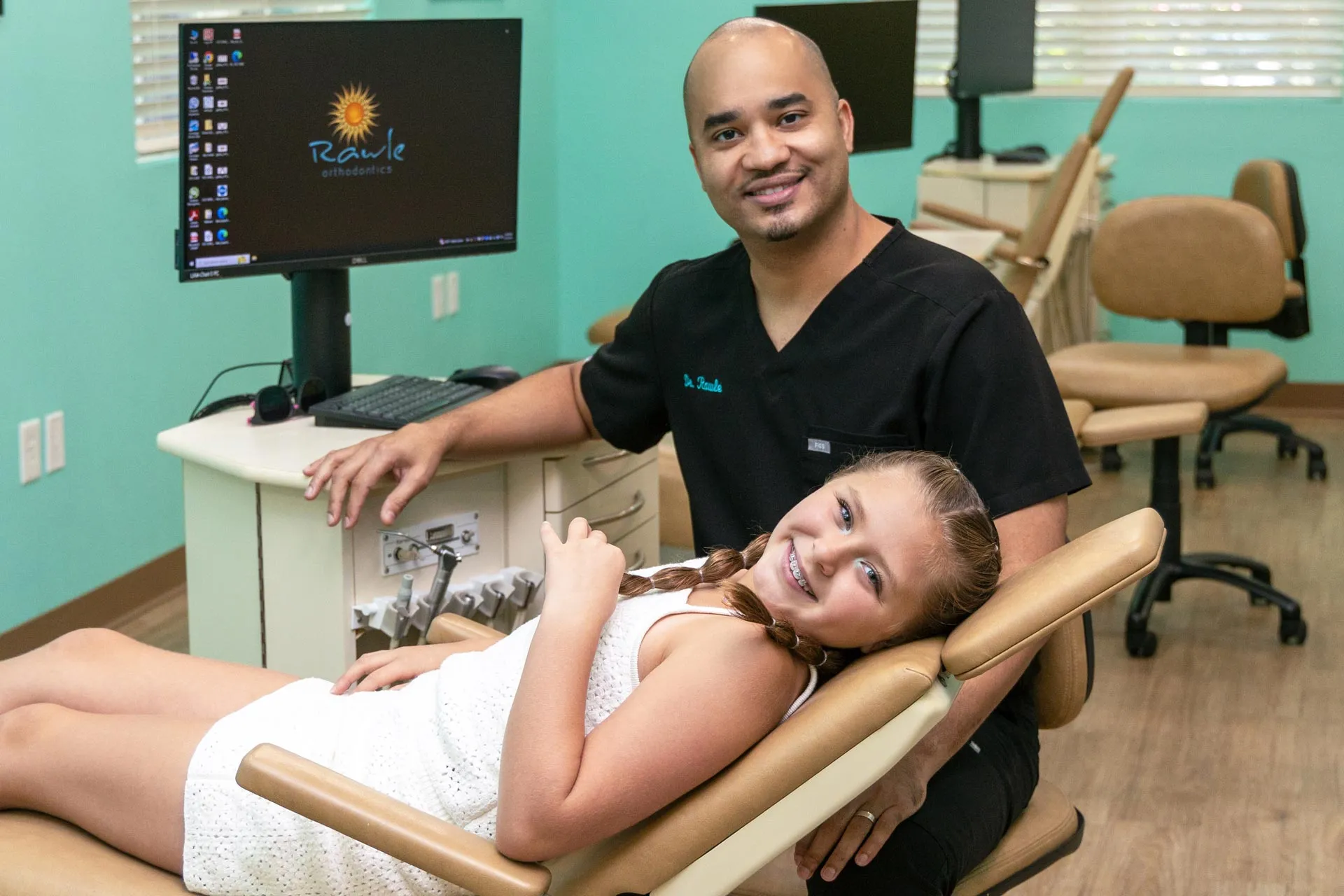
Dr. Christopher Rawle brings this level of expertise to every patient in Lake Mary. His training and orthodontic residency prepared him to design treatment plans that deliver predictable, lasting results.
How a Trusted Provider Designs Your Invisalign Treatment, Step by Step
The difference between a trusted provider and a basic one often comes down to treatment planning. Here’s how Dr. Rawle approaches your care:
- Initial exam: Your first visit includes digital scanning with an iTero scanner, digital X-rays, and a thorough clinical evaluation. These tools create a precise 3D model of your teeth and reveal issues that aren’t visible to the naked eye.
- Doctor-designed treatment planning: This is where expertise really matters. Invisalign’s software generates an initial treatment simulation, but Dr. Rawle refines every tooth movement. He adjusts the timing, staging, and direction of movements based on clinical knowledge, not just what looks good on screen.
- Your aligners are then manufactured based on that refined plan, with each tray designed to move specific teeth in a precise sequence.
- Regular progress monitoring: You’ll return for check-ins where Dr. Rawle evaluates your progress and makes adjustments as needed. Teeth don’t always move exactly as predicted, and an experienced provider knows how to course-correct quickly.
- Retention planning starts on day one. Retainers are built into your treatment plan to protect your investment and keep your smile looking great for years. (This is the part most people don’t think about until it’s too late.)
Benefits of Choosing an Experienced Invisalign Provider
Working with Dr. Rawle for your clear aligner treatment offers real advantages that show up in both your results and your overall experience.
What Makes Outcomes More Predictable?
Providers who’ve treated hundreds of cases know what works. They anticipate challenges and plan around them before they become problems. Board-certified orthodontist Dr. Rawle’s training and years of clinical experience mean fewer surprises during treatment. When your plan accounts for how teeth actually respond, not just how software predicts they will, you get results that match your expectations.
Getting it right from the start also means fewer refinement rounds. Fewer additional aligners, less extended treatment time, and savings in both time and money.
Why Does Provider Experience Matter for Complex Cases?
Overbites, underbites, severe crowding, and spacing issues require advanced techniques. Dr. Rawle uses attachments, elastics, and staged movements for more precise control. These tools require real expertise to use effectively, and they open the door for patients who might otherwise be told clear aligners won’t work for them.
Your progress is reviewed at every visit, with real-time decisions based on how your teeth are actually responding. This personalized oversight is something you won’t get from a mail-order aligner company or a provider who treats only a handful of cases per year. You’re getting more than aligners. You’re getting the clinical judgment of a specialist who has dedicated their career to creating smiles that look great and function well.
Invisalign From Dr. Rawle vs. a General Dentist: Key Differences
Not all Invisalign providers are created equal. Here’s how orthodontists compare to general dentists and DIY aligner companies:
| Factor | Orthodontist | General Dentist | DIY Aligners |
|---|---|---|---|
| Training | 2-3 years specialized residency after dental school | Weekend certification course | No professional oversight |
| Case Complexity | Treats mild to severe cases | Typically limited to mild cases | Cosmetic-only, no bite correction |
| Bite Alignment | Addresses function and aesthetics | Often focuses on cosmetic alignment | Cannot treat bite issues |
| Monitoring | Regular in-person progress checks | Varies by practice | Remote or none |
| Problem-Solving | Can adjust plan based on clinical findings | May need to refer complex issues | No recourse if problems arise |
Dr. Rawle at Rawle Orthodontics in Lake Mary provides the specialist-level care shown in the left column. His residency training focused specifically on tooth movement, jaw alignment, and bite correction, the kind of depth a weekend course simply cannot replicate.
The American Association of Orthodontists notes that orthodontists are the dental specialists who have the advanced education and training to properly diagnose, prevent, and treat dental and facial irregularities.
DIY aligners might seem convenient, but they skip the clinical evaluation that identifies underlying issues. Moving teeth without professional oversight can cause irreversible damage to roots, gums, and bone.
What Influences the Cost of Invisalign With a Trusted Provider?
Invisalign cost depends on five main factors: case complexity, treatment duration, provider expertise, insurance coverage, and the risk of choosing a low-price option. Dr. Rawle covers each of these during your initial visit so there are no surprises.
Case complexity
A simple spacing issue requires fewer aligners and shorter treatment than a severe overbite with crowding. Your specific needs determine the scope of treatment, and that scope directly affects cost.
Treatment duration
Longer treatment means more aligners, more check-in visits, and more professional time. Most cases run 12 to 24 months, though this varies widely.
Provider expertise
Higher-tier providers don’t always charge more. Their volume often allows for competitive pricing while delivering superior results. You’re paying for skill and precision, which often means fewer setbacks and a smoother process overall.
Insurance coverage
Many dental insurance plans cover a portion of orthodontic treatment, including Invisalign. Rawle Orthodontics offers low monthly payment options to make treatment accessible for families at any stage of life.
The hidden cost of going low-price
Poorly planned treatment leads to refinements, extensions, or even complete retreatment. The lowest-priced provider today can become the most expensive mistake tomorrow.
Who Is a Good Candidate for Invisalign in Lake Mary?
Rawle Orthodontics sees teens and adults with crowding, gaps, overbites, underbites, crossbites, or open bites who are strong candidates for clear aligners, especially when Dr. Rawle is guiding treatment. Clear aligners work for more people than you might think.
Teens and adults
Teens and adults with mild to complex alignment issues often do well with Invisalign. Common treatable conditions include:
- Crowded teeth
- Gaps and spacing
- Overbites and underbites
- Crossbites
- Open bites
Discipline matters
Aligners only work if you wear them 20 to 22 hours per day. They’re removable for eating and brushing, but they need to stay in the rest of the time.
Kids may qualify too
Some younger patients benefit from early clear aligner intervention, though traditional braces are often more appropriate for growing mouths. An initial evaluation determines the best approach based on your child’s development.
Complex cases need expert hands
If you’ve been told you’re “not a candidate” for Invisalign elsewhere, don’t give up. Dr. Rawle’s advanced training allows him to treat cases that general dentists often decline. The only way to know for sure is to have Dr. Rawle evaluate your teeth, bite, and goals to determine whether clear aligners are right for you.
Frequently Asked Questions About Choosing an Invisalign Provider
How do I know if my Invisalign provider is qualified?
Look for a board-certified orthodontist with a high Invisalign provider tier (Gold or above). Ask about their training, how many cases they’ve treated, and whether they handle complex cases.
Is Invisalign from an orthodontist better than from a dentist?
In most cases, yes. Orthodontists complete years of additional training focused specifically on tooth movement and bite alignment. They can treat more complex issues, anticipate problems, and adjust treatment when teeth don’t move as expected.
How long does Invisalign treatment typically take?
Most Invisalign cases take 6 to 24 months depending on complexity. Simple cases might wrap up in 6 to 12 months, while more involved cases can take 18 to 24 months or longer.
Does Invisalign provider tier affect my results?
Provider tier indicates experience, which often correlates with better outcomes. Higher-tier providers have treated more cases and encountered more variations. That said, training and clinical skill matter most.
Can Invisalign correct my bite or just improve my smile’s appearance?
Invisalign can address many bite issues when planned by an experienced orthodontist. Overbites, underbites, crossbites, and open bites are all treatable with clear aligners in many cases. Dr. Rawle evaluates your bite as part of every treatment plan, making sure both function and aesthetics are addressed.
What should Lake Mary families look for when comparing Invisalign providers?
Start by confirming the provider is a board-certified orthodontist, not a general dentist offering aligners as a side service. Ask about their Invisalign tier status, how many cases they treat per year, and whether they handle complex bite issues in addition to cosmetic alignment. Families in the Lake Mary area benefit from choosing a provider like Dr. Rawle who treats patients at every stage of life and uses state-of-the-art technology like the iTero scanner for precise treatment planning. Visiting a dedicated orthodontic practice, rather than a general dental office, typically means more focused expertise and better long-term results.